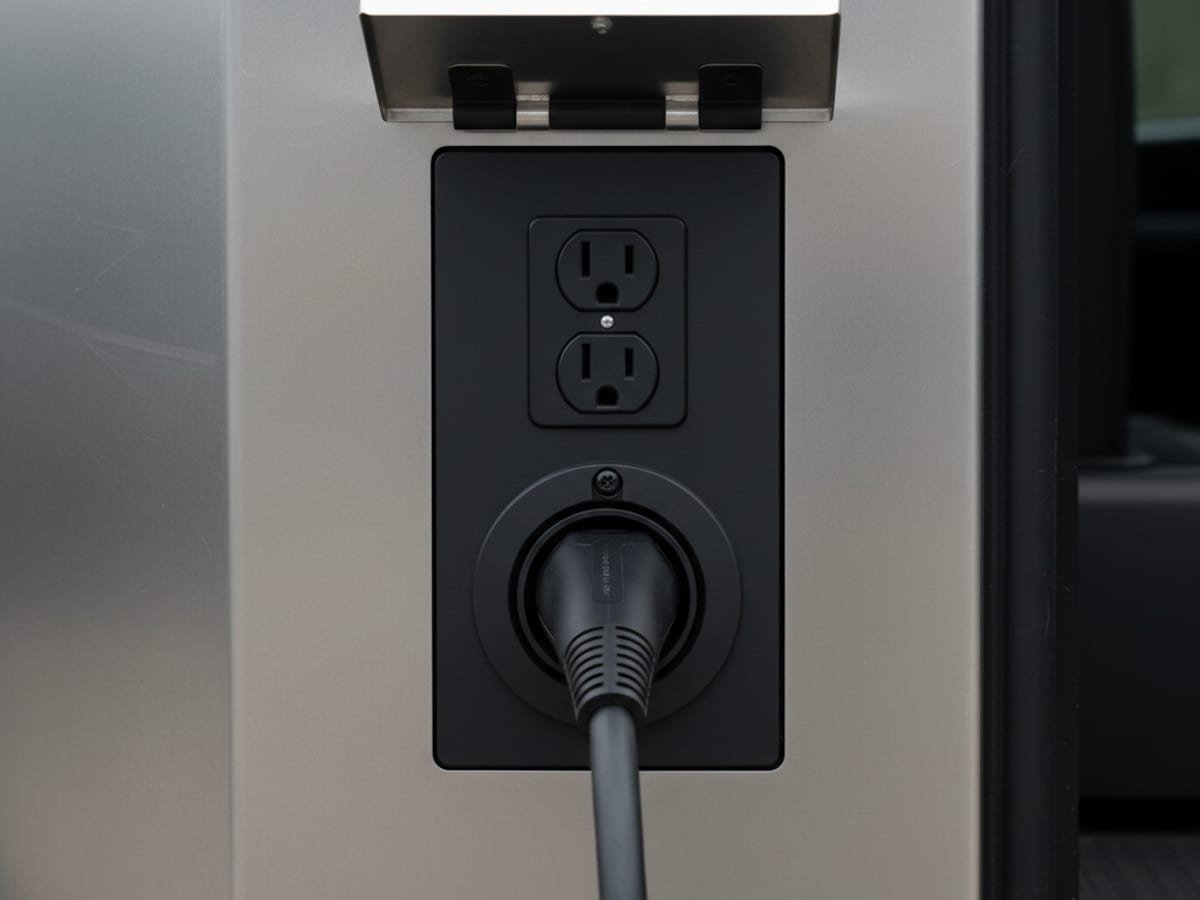
You pulled into a station at Dadeland Mall, Dolphin Mall, or a parking garage in Brickell. The connector clicked in, the dashboard said “Connected,” the station screen shows your session starting, and nothing happens. The current is not flowing. Here is what to try before you assume the charger is broken.
The short answer
A “connected but not charging” failure is almost always a handshake problem between the car and the station. The car and the station need to negotiate the pilot signal, the proximity pin, and the ground reference before any current flows. Most failures clear with a clean handshake. A few trace to a real fault and call for a different station or a mobile charge.
What the handshake actually does
EV charging is not a simple plug-and-flow operation. When you connect a J1772 or NACS connector, the car and the station exchange signals before any current moves:
- The proximity pin tells the station that the connector is fully seated in the port.
- The pilot signal is a low-voltage communication channel the car uses to tell the station how much current it can accept.
- The ground reference lets the car and the station agree on the safety baseline.
If any of those fail, the station shows “connected” but no current flows. The dashboard may show a charge fault, or it may show a charging session that never delivers electrons.
What to try first
Lock and unlock the car
A stuck body control module can leave the car in a bad state. Lock the car with the fob, walk away for 60 to 90 seconds, then return and unlock. Many handshake failures clear on the second try.
End the session and reconnect
If the station allows it, end the session through the station screen, then start a new one. The session may need to be reset on the station side, not just the car side.
Try a different connector at the same station
Some stations have multiple ports. If one is faulted, another may work. Move over and try.
Try a different station entirely
If the car fails on a second station too, the car is the issue. If the car charges on a different station, the first station is the issue. Either way, you have answered the question.
Check the connector pins
Look at the connector pins on the station side. A bent pin, a piece of debris, or condensation from a king tide can block the handshake. If you see debris or moisture, pick a different station. Station hardware is not yours to clean.
Check the car’s charge port
Look at the connector pins inside the car’s port. A bent pin on the car side is rare but real. If a pin is visibly damaged, do not force the connector. Call a mobile operator.
When the problem is the car
If the car fails on multiple stations, the handshake is failing on the car side. Three causes come up most often:
- A weak 12V battery that cannot power the charger handshake module. South Florida’s heat ages 12V batteries fast. A jump often clears the handshake.
- A software fault set during a previous failed session. The myChevrolet, FordPass, Rivian, and Tesla apps sometimes let you clear a charging fault remotely. Open the app and look for a charging fault notification. Clearing it resets the handshake.
- A mechanical fault with the charge port latch. The cable thinks it is plugged in, but the latch is not fully engaged. The manual release and a careful reconnect is the next step.
When you do not have range to reach another station
The dangerous version of “connected but not charging” is the one where you drove to this station with low range and now you have 5% left. If the next working station is more than 5% away, you need help. A mobile rescue operator brings a 240V Level 2 source to wherever the car sits. The session typically adds 10 to 20 miles of range in 15 to 30 minutes of charging. That is charging time, not a promise about when someone arrives.
This is the most common version of the call in South Florida: a tourist at a mall, a condo owner at a public garage, a MIA returner whose first station failed. The operator meets the car with a 240V source and gets the driver moving.
How a mobile operator clears the fault
A mobile operator working the South Florida metro brings:
- A 240V Level 2 source with NACS, CCS, and J1772 connectors.
- A 12V jump pack for cars with low-voltage symptoms.
- Tools for a stuck charge port.
The operator connects to the car, starts a session, and the dashboard shows the same “Connected” indicator, but with current flowing. If the operator finds the 12V is the cause, they jump it first.
The operator quotes you before starting and bills you directly.
How to avoid the next handshake failure
- Plan your charges around stations you have used successfully.
- Keep the 12V healthy. Replace it every two to three years in this climate.
- Update the car’s software through the manufacturer app. Most brands have released fixes for charging fault patterns.
- Avoid stations that have been faulted on PlugShare or other apps. The community reports are usually right.
Frequently asked questions
Why does my EV say connected but not charging at a public station?
The car and the station are failing the handshake. Try a clean reconnect, lock and unlock the car, and try a different station. If it still fails, the 12V is the next suspect.
Can a 12V keep an EV from accepting a charge?
Yes. The 12V runs the charger handshake module. A weak 12V may drive the car and refuse to enter a charge session. A jump clears it.
What does a mobile operator do for a connected-but-not-charging car?
The operator brings a 240V Level 2 source and starts a session. The current flows because the operator’s source completes the handshake the public station could not.
What if no station works for my car?
The car has a fault. Have it towed to a service center. Florida Statute 316.194 lets a disabled vehicle stay where it is if it cannot practicably be moved.
What does a mobile charge cost?
The operator quotes you before starting. Charge Pro MIA does not set the rate.
When to call us
If your EV is connected to a public charger and not getting current and you do not have range to reach another station, call us. A mobile operator meets the car with a 240V Level 2 source and a 12V jump pack. They quote you before starting and bill you directly.
Call us at (786) 963-2995 to reach a local operator.