How much a Tesla charge costs here follows your utility. It also follows the hour you plug in. Most South Florida homes sit on Florida Power and Light. Parts of Homestead use Homestead Public Services Energy. That’s the city’s municipal utility, also called HPS Energy. We won’t publish a dollar rate that will go stale. Read the cents per kilowatt-hour on your latest bill. Then multiply by the energy your pack actually draws.
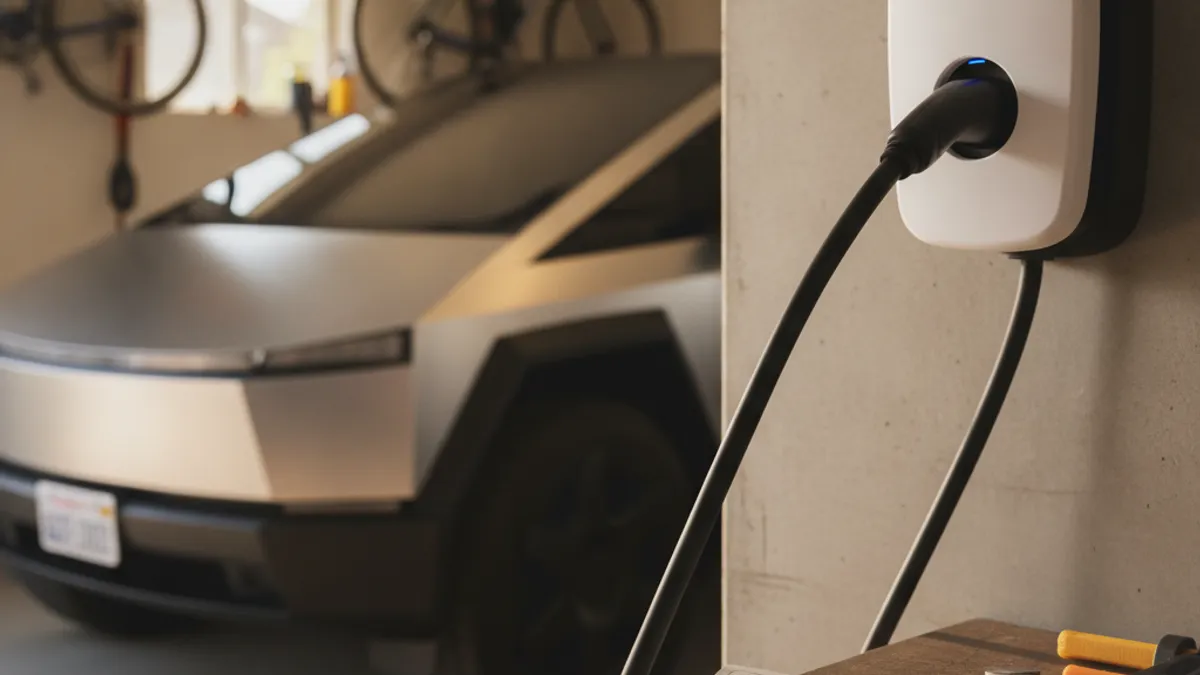
Your utility writes the first line of the bill
FPL serves essentially all of Miami-Dade and all of Broward. Homestead is the one confirmed exception in this metro. HPS Energy serves parts of the City of Homestead. Other Homestead streets stay on FPL. The exact street line sits on a city PDF map. That map wasn’t machine-readable in our research. Confirm your account on the HPS Energy electric services page. Or call the utility at (305) 224-4800 and ask.
FPL publishes a residential Time-of-Use rate for home charging. Name the plan, and don’t lock a cents-per-kWh figure here. Those numbers move when FPL updates its schedule. Your bill is the live source, or the Time-of-Use page on fpl.com.
HPS Energy’s pages didn’t show a confirmed EV-specific program. That’s an observed absence on the site, not proof of none. Homestead drivers should ask which tariff sits on the meter. Don’t assume FPL’s clock applies on an HPS Energy account.
Run the math from your car and your bill
Skip national cost charts, because they don’t match these utilities. Open the Tesla app or the car’s energy screen. Note usable pack size in kilowatt-hours for your year. Tesla publishes those figures by model and trim. Don’t borrow a number from a different battery option.
Charging isn’t perfectly efficient, so wall draw exceeds pack gain. Compare wall kilowatt-hours to energy added over a few nights. That ratio is your real loss factor.
Multiply wall kilowatt-hours by the rate for that hour. On FPL Time-of-Use, clock time changes the same session. Peak and off-peak windows live on your current schedule. We’re not printing those hours or rates, because they change.
A Model S or X holds more kilowatt-hours than a Model 3 or Y. Filling more energy costs more at the same tariff.
Heat buys you extra kilowatt-hours
South Florida is flat, so terrain doesn’t tax range. Miami-Dade’s Atlantic Coastal Ridge sits around 23 to 24 feet. Broward’s Pine Island Ridge is about 29 feet. Heat, air conditioning, and dwell time set the story.
NWS Miami 1991-2020 normals put July and August highs at 91F. A normal year sees about 64 days at or above 90F. Recurrent Auto studied about 30,000 EVs in a fleet paper. It found about 5 percent range loss at 90F. At 100F the loss was about 17 to 18 percent. AAA’s 2019 SAE test found about 17 percent loss at 95F with AC on.
Those studies measure range, not a charging price. You use more kilowatt-hours per mile in this heat. How long does a Tesla charge last in South Florida heat? walks through that wear.
Home charging only wins if you can plug in overnight
The lowest cost per kilowatt-hour is usually a home Level 2 session. That’s truest on an off-peak FPL Time-of-Use window. It only works if the building can take the circuit.
A lot of older housing can’t. Census ACS 2019-2023 shows North Miami at 82.7 percent pre-1980 stock. Miami Springs sits at 89.5 percent, and Hollywood at 74.7 percent. Hialeah is 60.1 percent pre-1980, so the panel is often the first talk. A wall connector isn’t a simple add-on there.
Doral is 5.5 percent pre-1980, and Parkland is 1.7 percent. Weston is 7.0 percent, so overnight charging is easier on those newer streets.
Condo garages often share a circuit or a Level 1 outlet. That’s slow, and it’s billed at the building’s rate. Read what a Level 1 EV charger is, and why condo drivers outgrow it. If the panel can’t take the load, start here. Panel upgrade for a home charger, or call a mobile plug walks that choice.
FPL EVolution Home is the residential Level 2 install-and-maintain program. FPL EVolution Make-Ready Credit is the multifamily and commercial program. We name the programs only, so confirm current terms on fpl.com. HPS Energy didn’t publish a matching install program on pages we checked.
Public fast charging is a separate ticket
A Tesla Supercharger sells speed, not your home tariff. You pay the network’s posted price at that stall. We’re not listing those prices, because they move by site and hour. Read the in-car estimate before you start.
FPL EVolution is FPL’s public charging brand. A session there isn’t your residential Time-of-Use rate. Confirm that network’s price in the app or on the screen.
If a public plug fails while you’re already low, that’s a rescue question. Public EV charger not working: what to do before you’re stuck is the checklist.
A mobile charge is a quote, not a tariff
Charge Pro MIA is a referral line. We match stranded drivers with independent local operators. We don’t set prices, own trucks, or run a yard. The operator quotes you before work starts and bills you directly.
A mobile Level 2 top-up typically adds 10 to 20 miles of range. That happens in 15 to 30 minutes of charging at the car. That’s charging time, and it isn’t an arrival time. Who sets the price when you need a mobile EV charge? explains that quote. 240-volt charging: your home plug versus a mobile rescue is the other split.
Don’t mix home math with a roadside session. Home cost is kilowatt-hours times your tariff. Roadside cost is the operator’s quote for coming to you.
Frequently asked questions
How much does it cost to charge a Tesla at home here?
There’s no single number that stays true. Read the kilowatt-hour rate on your FPL or HPS Energy bill. Multiply by the wall energy your car draws.
Does FPL Time-of-Use make overnight charging cheaper?
FPL publishes a residential Time-of-Use rate for home charging. Off-peak windows are usually the lower-priced hours on that plan. Confirm the current windows on fpl.com or your bill. Homestead customers on HPS Energy should ask that utility, and shouldn’t assume FPL’s clock.
Does a Supercharger cost more than a home plug?
DC fast charging is priced for speed and convenience. Home Level 2 on your own tariff is usually the lower cost per kilowatt-hour. Compare the in-car Supercharger estimate to your last home session.
If you can’t reach a building plug, call (786) 963-2995. An independent operator quotes the job before anything starts.